A sports arena – what challenges must an investor predict?
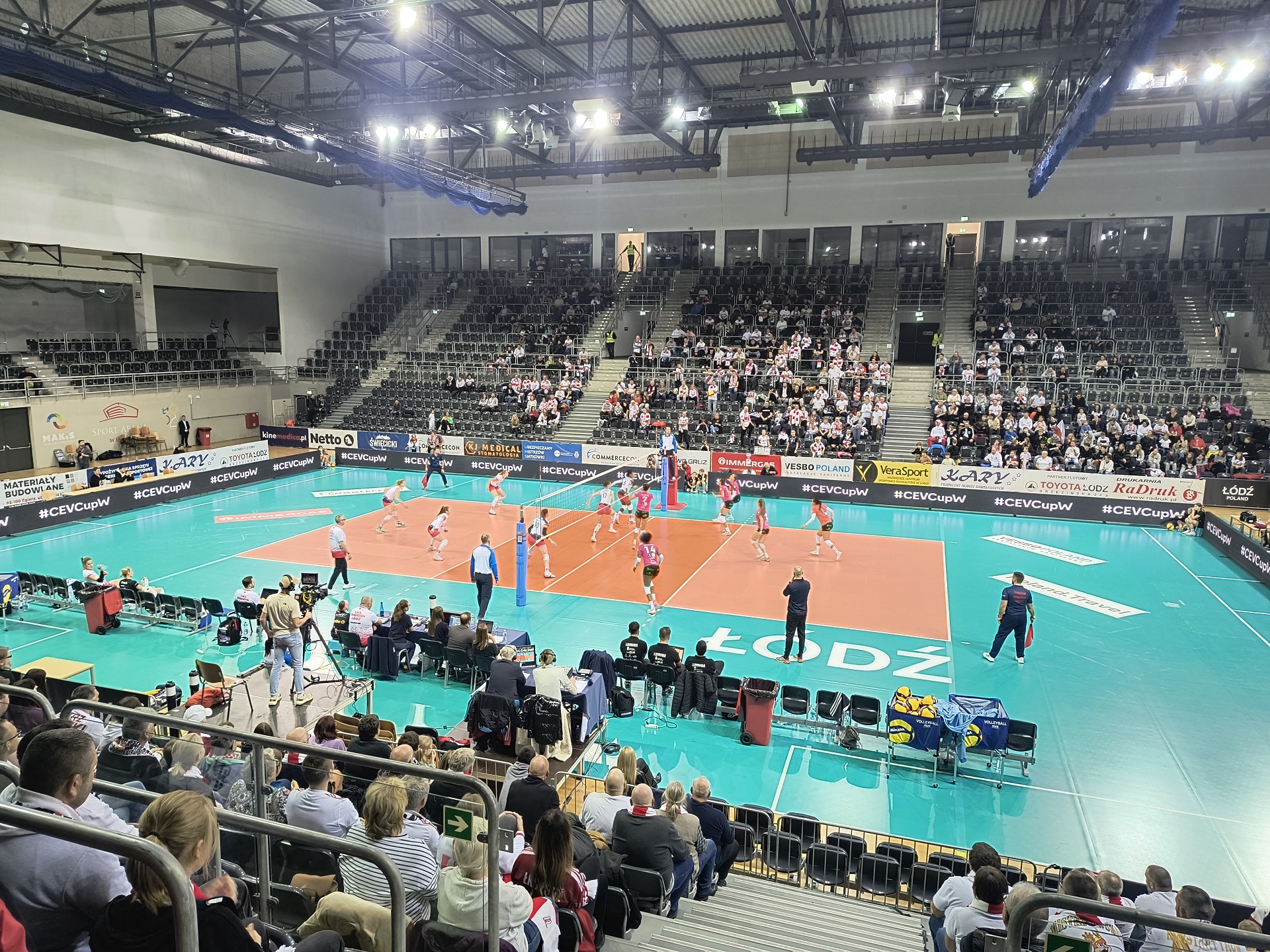
A sports arena is undoubtedly what many schools, municipalities and towns dream of. It is a multi-purpose meeting place. It can be used, obviously, for doing sports and hosting all sorts of sports competitions. Most often, an arena accommodates courts for volleyball, basketball, tennis, handball and badminton or sports pools for swimming or even water jumping. The other function of the building is the organisation of social and cultural events. The sports halls is a venue for concerts, conferences, art exhibitions and openings. Nowadays, sports arenas are meeting places for entire communities. The buildings of this type usually contain food and beverage and recreational spaces. Looking at the number of functions that a sports arena can serve, it is immediately evident that building one is a complex, time-consuming undertaking, requiring top-quality solutions at every stage of the process.
So what does the project owner have to deal with? Before starting, it is important to find out whether a local development plan has been passed for the area, and whether it provides for building a sports facility there. If the aforementioned plan prohibits building this kind of buildings (the area is floodplain or seismically vulnerable), project relocation is the only possibility.
The next step is to specify the purpose of the arena – whether it is to be a sports arena or a sports hall or gymnasium (the latter one is usually built next to education institutions and have little or no auditorium). This division will help specify the number of seats and the size of the stands for the audience, so it will also influence the size of the necessary car parks. Then, you need to choose a design for your sports facility. The designs can vary greatly in construction, geometry, room layout, technical solutions or aesthetics. The building plans and specifications should consist of a plot plan, architectural plans and construction project and a basic design. If, within 21 days, a competent architectural and construction administration authority does not raise objections to the submitted documents, you can proceed to implement the project.
The owner should always appoint a project construction supervisor to represent it and look after its interests throughout the project. In special cases, it is the architectural and construction administration body that can impose the appointment of a supervisory inspector.
Construction of a sports arena / gymnasium
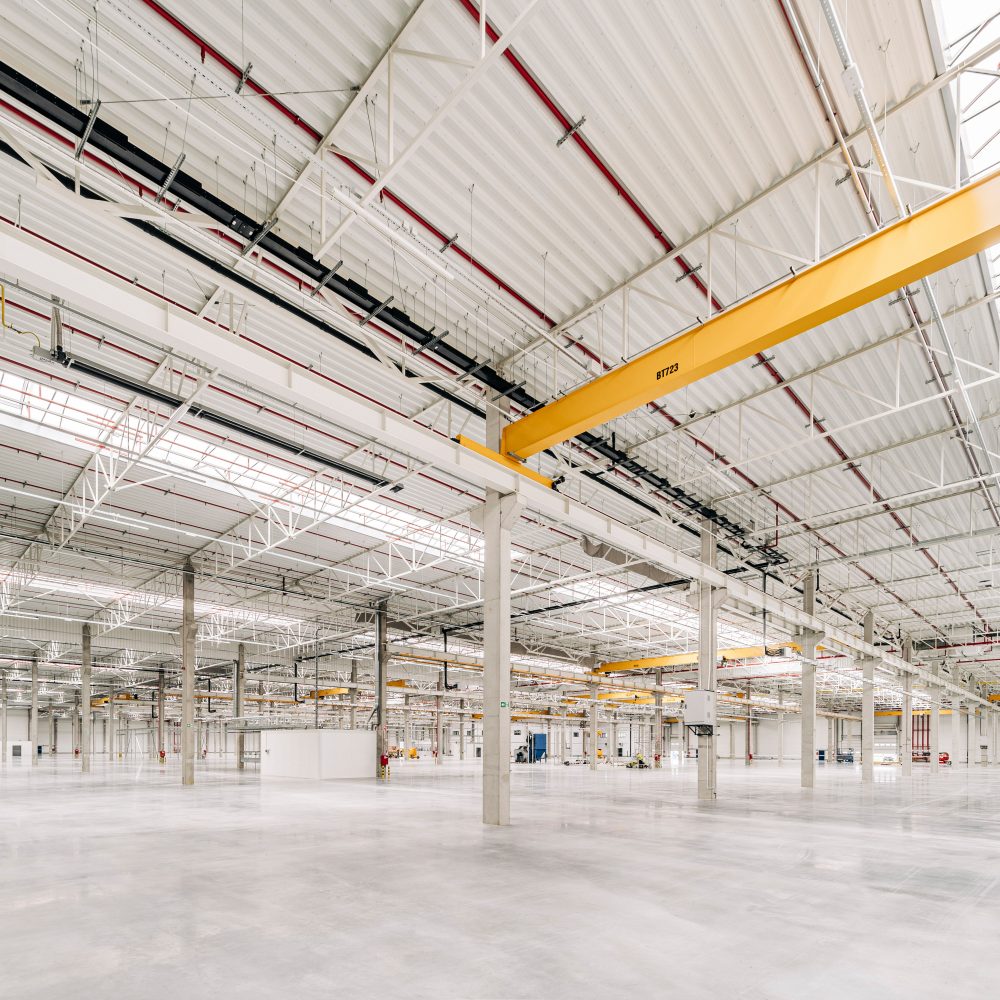
The design of a sports arena has to take into account a great many factors to make the facility safe, functional and sustainable. The dimensions and location of the building are key factors in the choice of structure. A sports arena with a large external wall span (roof span) will require a steel or even reinforced concrete truss as the main load-bearing component of the roof. In contrast, a small school games hall will not require such complex solutions. Choosing the location for the facility directly affects the climatic loads from snow and wind to be assumed in the design, for example, sports arenas located in mountainous areas will have to carry a much higher snow load than arenas located in areas for which, according to Polish standards, lower snow loads are assigned. Another factor related to the dimensions of the arena is the fire protection requirements.
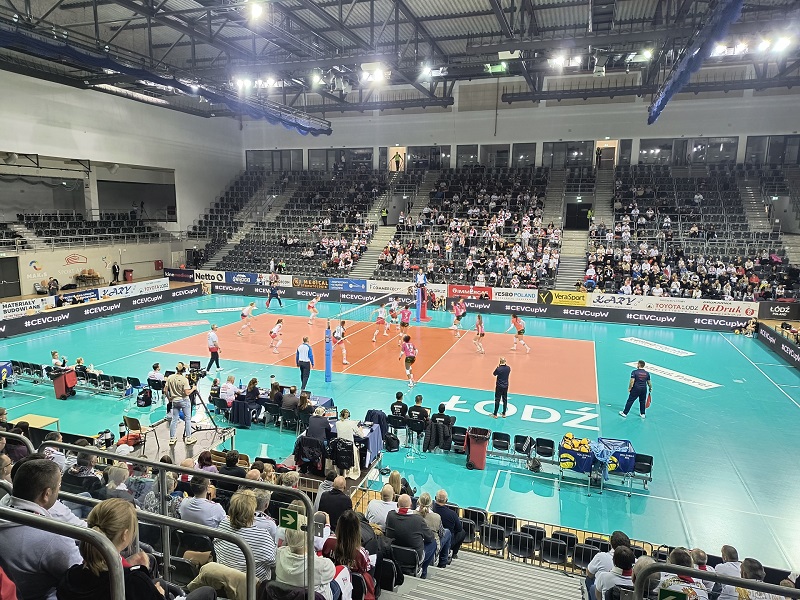
The arena, as the name suggests, will have an auditorium, that is, stands, which, presumably, will seat more than 50 people at a time. As such, it will be classified for as a human gathering facility (ZL) with reference to fire considerations. Fire protection requirements, which have a direct impact on structural solutions, will vary for different arena heights. The sports arena is unlikely to be taller than 25 metres, and will therefore be classified as a low or medium-rise building. This means that its main load-bearing structure must be able to carry the loads acting on it for 120 minutes of the fire’s duration, the ceilings – for 60 minutes, and the roof structure must be able to withstand a fire lasting 30 minutes. This is one of the main reasons for using reinforced concrete piers as the main load-bearing components, which can easily cope with the fire load for 2 hours. The same is true of the stands, which, precisely for fire reasons, are usually made of reinforced concrete. The roof support system, on the other hand, is usually a steel truss girder, which will ensure 30 minute fire resistance thanks to being coated with special paints or intumescent coatings. The sports arena also has leisure, parking and catering areas that will necessitate additional fire zones. In facilities where people gather, the safety of those using the facility is paramount. It is therefore very important to mark escape routes and to use measures to prevent the occurrence and spread of fire (smoke detectors, sprinklers), as well as adequate emergency escape lighting switched on automatically in the event of a fire.
It should be stressed that all these diverse functions present in a single building require an extensive heating, ventilation and sanitary system, which must also meet the requirements of the technical conditions and Polish standards.
At Commercecon, we not only erect complete industrial and warehouse buildings. The construction of sports arenas of various sizes and purposes is also what we specialise in. In 2006, we built a sports arena for the primary school in Zdzieszowice, and in 2014, we delivered almost 220 tons of steel roof structure for Podium Hall located in Gliwice.
What is the cost of building a sports arena?
As mentioned earlier, the construction of a sports arena is an immense and expensive undertaking. The factors to influence the price of building such a facility are listed below. These will have to include the dimensions of the site. The wider, longer and taller sports arena is to be, the higher project costs it will incur. This is, of course, related to the amount of material required, the transport of components or the cost of labour. With the increase in projected audience numbers comes the need for parking spaces.
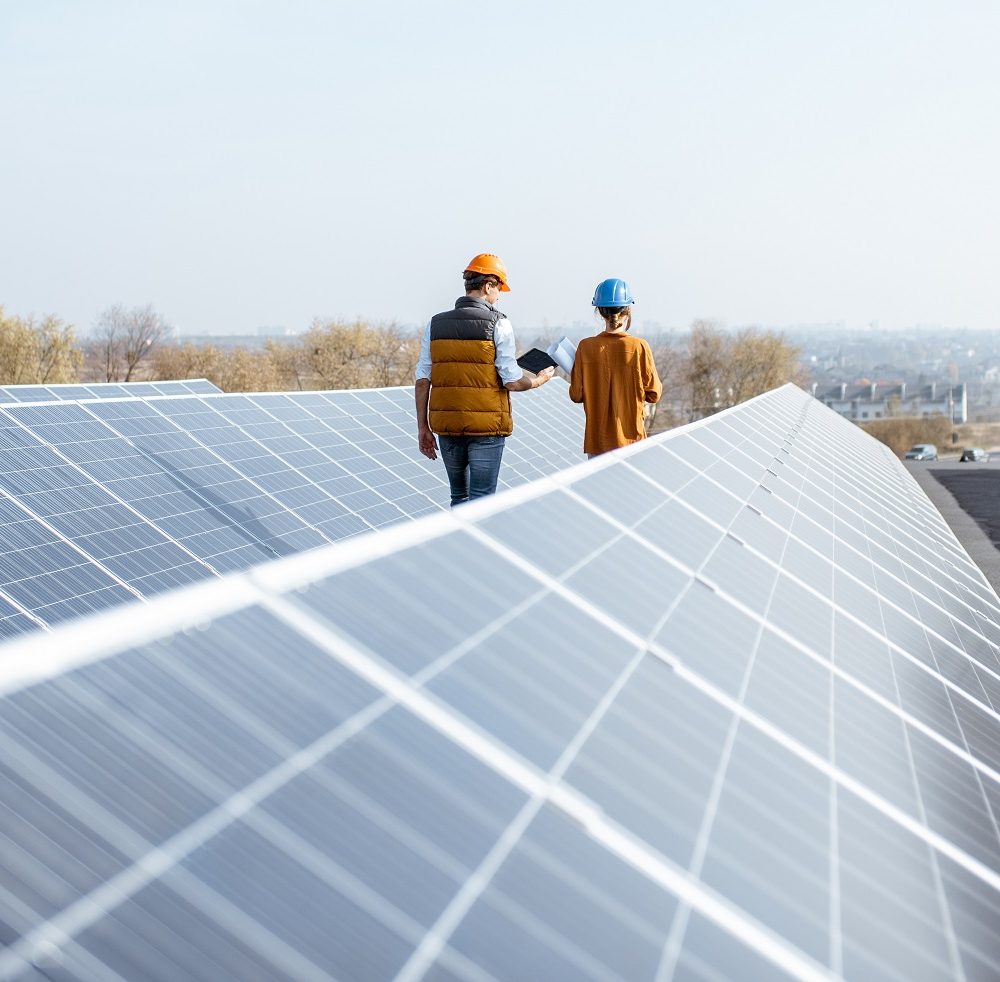
If you do not have a plot of land to build them on it, then the purchase of land will be a large part of the cost. A plot of land in a large city is known to cost many times more than a plot of similar size located in less attractive areas. Food and beverage facilities in the arena will strongly influence the cost of its construction, not only through the equipment, but also through the need to implement certain technical requirements and adapt the premises. Meeting the fire protection requirements, as mentioned in the previous paragraph, also affects the cost of the investment. Separating fire zones, providing escape routes, emergency lighting, smoke detectors, sprinklers and other alarm systems adds to the price of building the arena. Another rather costly factor is the environmental requirements and energy efficiency of the newly designed facilities. The current regulation on the technical conditions to be met by buildings defines the energy requirements of a building, and requires that energy consumption is as low as possible. The roof, walls, doors or windows should be designed so that heat loss through these partitions is minimised. Electrical power in this type of facility is often generated by photovoltaic cells mounted on the roof or walls of a usually substantial area. It is important to remember that the costs incurred for the energy efficiency of the arena will reduce the costs of its subsequent operation.
It should be added that, fortunately, many, even ready-made, projects can be co-financed by local or European funds.